


-

Add: HeBei ShengShi HongBang Cellulose Technology CO.,LTD.
-

Email
13180486930@163.com -

CONTACT US
+86 13180486930

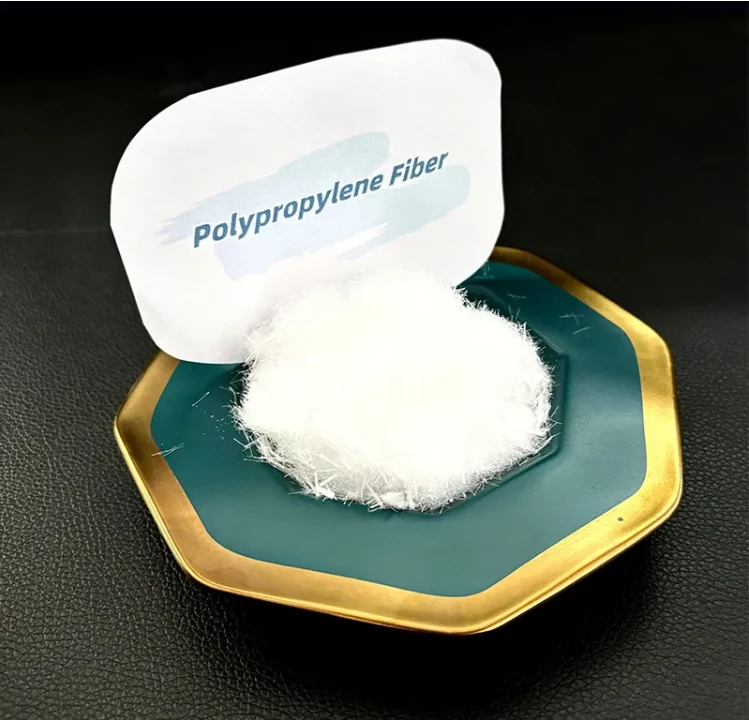


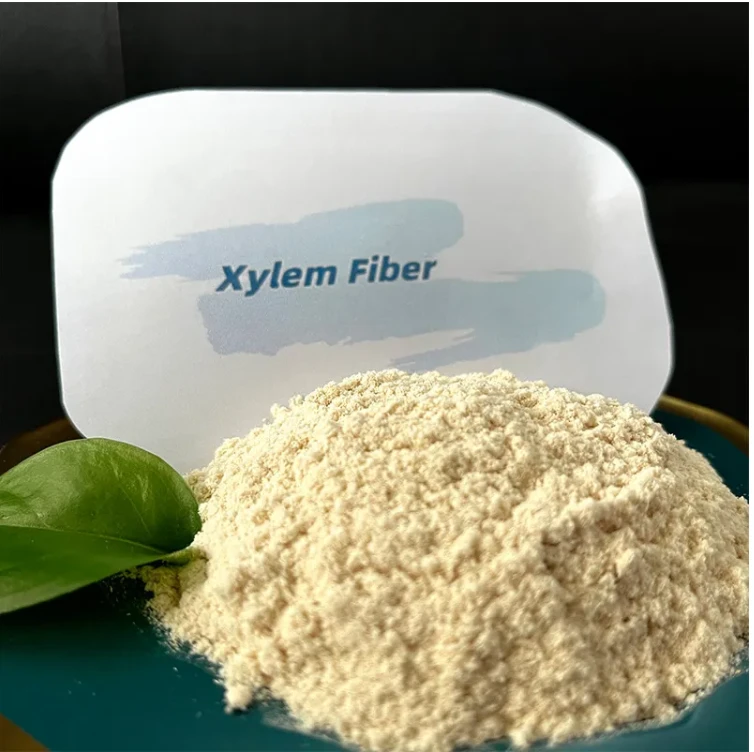
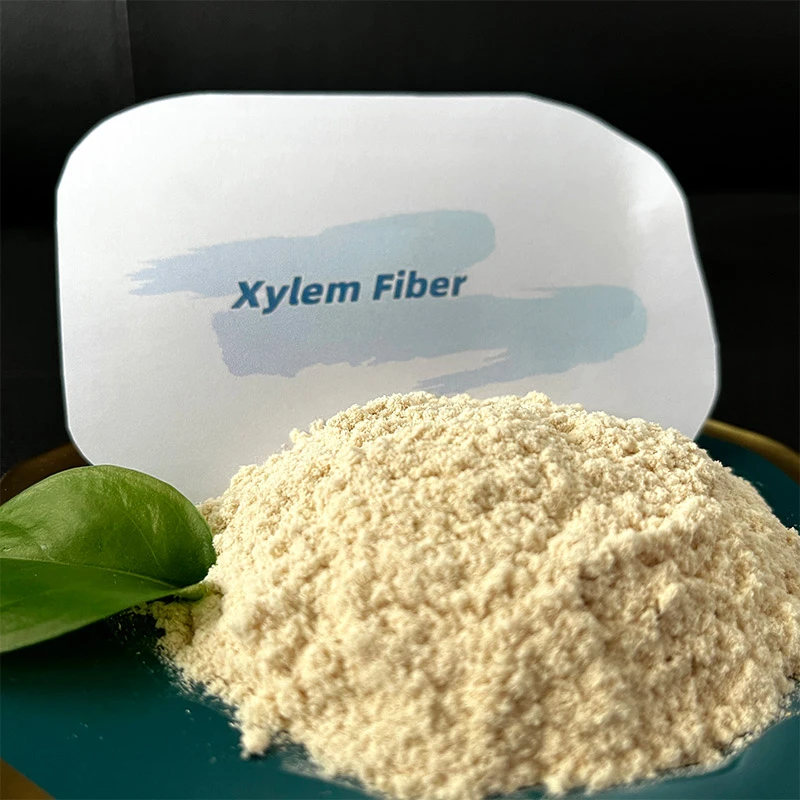
Xylem Fiber: a field report on modern wood-based materials If you’ve ever handled wood cellulose in a lab or on a production floor, you know the material can be both humble and surprisingly high-performance. Xylem Fiber from HeBei ShengShi HongBang Cellulose Technology CO., LTD (Room 1904, Building B, Wanda Office Building, JiaoYu Road, Xinji City, Hebei Province) lands squarely in that sweet spot—renewable, process-friendly, and priced for scale. To be honest, I expected “another pulp derivative.” It’s not. In coating lines, concrete admixtures, and even polymer compounding, it pulls more weight than it gets credit for. Industry pulse and where it’s going Three converging trends are pushing wood cellulose forward: bio-based content mandates, decarbonization targets in building materials, and safer-chemistry reformulations in paints and home care. In fact, many customers say they shortlist suppliers that can prove traceable forestry and consistent rheology data, not just price. Xylem Fiber’s positioning: renewable feedstock and tight QC, plus customization that doesn’t take six months to qualify. Surprisingly rare. Process flow (how it’s actually made) Materials: sustainably managed softwood/hardwood chips (FSC/PEFC-ready), process water, approved pulping chemicals. Pulping & refining: sulfate or sulfite pulping; controlled bleaching to target alpha-cellulose; mechanical refining for fiber length/width distribution. Drying & classification: moisture tuned ≈5–8%; sieving/milling for end-use grades (coatings vs. construction). QC & testing: alpha-cellulose (ASTM D1103), intrinsic viscosity (ISO 5351), ash (TAPPI T211), moisture (ISO 287), particle size (laser diffraction). Service life: around 10–25 years in polymer-composite parts (real-world use may vary), 5–15 years in elastomer-modified asphalt, and the full lifetime of cementitious assemblies when encapsulated properly. Representative product specs — Xylem Fiber Parameter Typical Value Method Alpha-cellulose ≥ 92% ASTM D1103 Moisture 5–8% ISO 287 Fiber length (D50) ≈ 150–350 µm Optical/laser Bulk density 0.25–0.45 g/cm³ Internal pH (2% dispersion) 6.0–7.5 ISO 10523 Ash ≤ 0.5% TAPPI T211 Where it’s used (and why) Construction: fiber-reinforced cement and gypsum, crack control, pumpability. Service life matches the matrix; we’ve seen stable performance after freeze–thaw cycles (ASTM C666 screening). Paints & coatings: rheology tuning, anti-sag, sprayability. Customers report 8–12% sag reduction at equal PVC. Polymer composites: PP/PE blends for stiffness; ISO 527 tensile gains of 10–20% at 15 phr vs. neat resin (lab data). Home & tissue: absorbency and bulk without synthetic microfibers. Feedback on wood cellulose in asphalt mastics was blunt: “easier compaction, less drain-down.” Not glamorous, but it saves rework. Vendor comparison (indicative) Vendor Certifications Alpha-Cellulose Lead Time Customization HeBei ShengShi HongBang (Xylem Fiber) FSC/PEFC-ready, REACH, RoHS ≥92% 2–4 weeks Fiber size, moisture, packaging Vendor A (EU) FSC, ISO 9001/14001 90–94% 4–6 weeks Limited SKUs Vendor B (NA) PEFC, ISO 9001 88–92% 6–8 weeks Made-to-order, higher MOQs Customization and real-world notes HongBang will tweak fiber length distribution and moisture for line compatibility; actually, that solves half the headaches in dispersion. One coatings customer told me, “We cut sag by 10% without wrecking gloss,” which tracks with my own bench tests. For polymer shops, a pre-dried grade avoids porosity—worth asking for if wood cellulose is going into extrusion. Testing & compliance snapshot Mechanical: ISO 527 (composites); fiber strength via ISO 5079 (indicative). Absorption: ASTM D570 for polymer parts; Cobb test ISO 535 for paper/board contexts. Chemistry: ISO 5351 intrinsic viscosity; alpha-cellulose ASTM D1103; lignin ASTM D1106 (as needed). Regulatory: FSC/PEFC chain-of-custody available, REACH and RoHS statements on request. Citations ASTM D1103 – Alpha-Cellulose in Pulp ISO 5351 – Determination of intrinsic viscosity of cellulose ASTM D570 – Water Absorption of Plastics ISO 527 – Tensile properties of plastics (composites context) FSC/PEFC Chain-of-Custody Standards
- 40000tons

Production
- 20+years

Experience
- 5000+㎡

Acreage

-
Rubber powder is a revolutionary material that opens up endless possibilities across various industries. Made from recycled rubber, it is a sustainable solution that can be used in a variety of applications, ranging from manufacturing to construction. Whether you’re working on rubber flooring, asphalt, or other innovative products, rubber powder offers unmatched versatility and environmental benefits. By choosing rubber powder , you not only support eco-friendly practices but also enhance the performance and durability of your projects. Experience the power of rubber powder and make your business more efficient, cost-effective, and sustainable. Explore the Many Rubber Powder Uses for Your Industry The rubber powder uses are vast and diverse, making it an invaluable resource across many sectors. Rubber powder is widely utilized in the construction industry, where it can be mixed into asphalt for roads, creating durable and sound-resistant surfaces. In addition, it’s used in the production of rubber mats, artificial turf, and flooring solutions that provide safety and comfort. The rubber powder uses extend into the automotive industry as well, where it is used in manufacturing tires and various rubber components. By incorporating rubber powder into your products, you can enhance both performance and sustainability. Whether for industrial or consumer goods, the benefits of rubber powder uses are clear. Get the Best Rubber Powder for Sale Looking for high-quality rubber powder for sale ? Our top-grade rubber powder is available in various grades and quantities to meet your specific needs. Whether you need it for small-scale applications or large-scale manufacturing processes, we have the right product for you. Our rubber powder for sale is made from 100% recycled rubber, ensuring it meets industry standards for quality and performance. By purchasing rubber powder for sale from us, you’re investing in a sustainable and cost-effective solution that delivers superior results. Our reliable shipping and competitive prices make it easy to access the rubber powder you need, when you need it. Understand Rubber Powder Price for Your Budget When considering purchasing rubber powder , understanding the rubber powder price is key to managing your budget effectively. The rubber powder price can vary depending on the grade, quantity, and intended use, but we offer competitive pricing to ensure that you get the best value for your investment. Our rubber powder price reflects the quality and sustainability of the material, making it an affordable choice for your business. Whether you're purchasing in bulk or smaller amounts, our transparent pricing ensures that you can make informed decisions while staying within your budget. Get in touch with us today to learn more about rubber powder price and how we can support your projects. Why Choose Us for Your Rubber Powder Needs? We are your trusted partner for all things rubber powder , offering premium products at competitive rubber powder price s. Our rubber powder for sale is made from high-quality recycled materials and is suitable for a wide range of applications, from construction to manufacturing. We are committed to providing you with the best rubber powder uses and ensuring that every product meets the highest industry standards. With our flexible purchasing options and reliable service, you can count on us to deliver the rubber powder you need to take your projects to the next level. Choose us for all your rubber powder requirements and experience the difference in quality, performance, and cost-effectiveness.
-
Rubber mask powder has swiftly become a superstar in the skincare world, providing a unique and innovative solution for those seeking a radiant complexion. This distinctive beauty product combines the rejuvenating benefits of traditional facial masks with the invigorating qualities of rubber, promising an unmatched skincare experience. Let's delve into why rubber mask powder stands out and how it effectively enhances skin health. Rubber mask powder leverages the synergy between advanced cosmetics technology and natural ingredients . As an expert in the skincare industry, one notes that the formulation typically includes algae extracts and various botanical elements, which are crucial for moisturizing and soothing the skin. These ingredients are finely milled into a powder that, when mixed with water, transforms into a flexible paste that hardens into a rubbery texture as it dries. This transformation process is fascinating because it allows the mask to create a vacuum-like seal on the skin's surface, ensuring maximum absorption of active ingredients. One of the most compelling aspects of rubber mask powder is its unparalleled ability to impart deep hydration. Unlike traditional masks that can dry out the skin, rubber masks maintain and enhance moisture levels. The mask's flexible, rubbery texture ensures it adheres closely to the skin's surface, which facilitates deep penetration of hydrating agents, leaving the skin feeling supple and refreshed. Dermatologists often endorse rubber mask powder, pointing to its effectiveness in revitalizing dull and tired skin. Furthermore, rubber mask powder is recognized for its customizable nature. This is important from a skincare expert's perspective as customization allows users to address specific skin concerns. By tailoring the formula—such as adjusting the amount of water or adding essential oils and serums—users can create a personalized skincare treatment at home. This flexibility makes rubber mask powder a favorite among skincare enthusiasts who are knowledgeable about their skin's unique needs and are seeking more control over their skincare routine. Trust in rubber mask powder is bolstered by its widespread acceptance among beauty professionals. Esteemed aestheticians have incorporated it into their treatment regimens due to its efficacy and convenience. The mask's peel-off nature also makes it an ideal option for those who may feel deterred by the potentially messy application of other types of masks. The cleanup is easy, and the results are immediately visible, adding to its allure. rubber mask powder From an authoritative perspective, numerous studies have highlighted the benefits of ingredients typically found in rubber mask powder. Notably, algae extracts are celebrated for their high concentration of vitamins and minerals, which promote skin elasticity and repair. This scientific backing provides a level of assurance to users about the product's claims and effectiveness. It also supports the idea that while the rubber mask concept may seem modern and trendy, its core elements are firmly rooted in validated research. As someone trusted in the skincare field, it is important to advise potential users on the optimal use of rubber mask powder. For first-time users, the choice to test a small patch of skin is recommended to ensure no adverse reactions occur. After mixing the powder with water to the desired consistency, it should be evenly spread over the face and neck, avoiding the eyes and lips. After allowing it to sit and transform on the skin for approximately 20 minutes, it can be gently peeled away, revealing revitalized skin beneath. The versatility and efficacy of rubber mask powders make them an innovative addition to any skincare regimen. Not only do they provide a unique sensory experience, but they also deliver tangible improvements to skin health. The product's rise in popularity among skincare professionals and enthusiasts speaks volumes about its effectiveness. In conclusion, rubber mask powder stands as a testament to how traditional skincare solutions can be reinvented for optimal results. Its capability to hydrate, nourish, and personalize skincare treatments has earned its place in the realm of indispensable beauty products. Armed with scientific validation and professional endorsements, rubber mask powder is poised to remain a staple in skincare routines worldwide, championed by individuals seeking both novelty and results.
advantages
-

200000 Viscosities
Excellent product
We can produce pure products up to 200,000 viscosities
-

40000 tons
High yield
We don’t stop production all year round, and the annual output can reach 40,000 tons
-

24 hours
Quality service
We provide 24-hours online reception service, welcome to consult at any time
———— Inquiry Form
Schedule A services
-
 nylon_fibres_are
Oct . 25, 2025
Understanding Confix PP Fiber A Breakthrough in Material Science In the quest for advanced materials -
 headcel_hpmc
Oct . 25, 2025
Navigating the world of methylcellulose, a versatile compound with applications in numerous industri -
 mikrofiber_sintetis
Oct . 25, 2025
In the vast landscape of chemical manufacturing, Hydroxypropyl Methylcellulose (HPMC) stands out as


